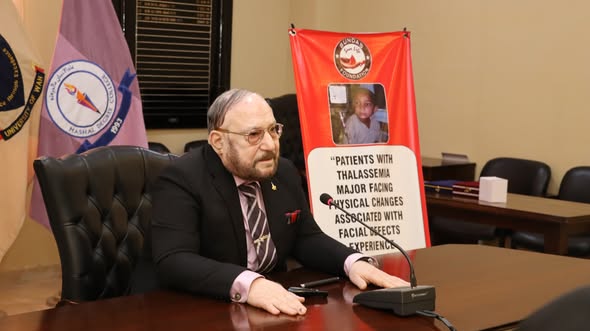
Seminar on Thalassemia Awareness and Psychological Well-Being
Dr. Muhammad Rizwan, CEO of the School of Self-Education and Positive Personality Growth and Professor of Clinical Psychology at the University of Wah, supervised and participated in a seminar on Thalassemia Awareness and Psychological Well-Being organized by the Department of Psychology, University of Wah, on 11 February 2026.
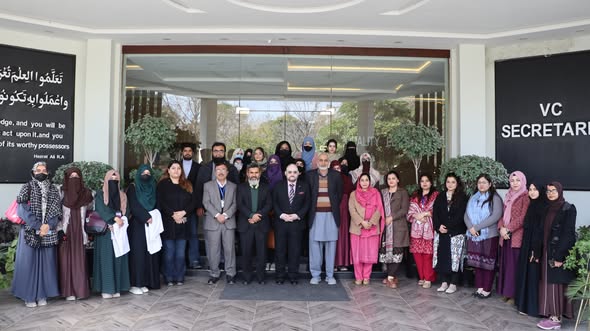
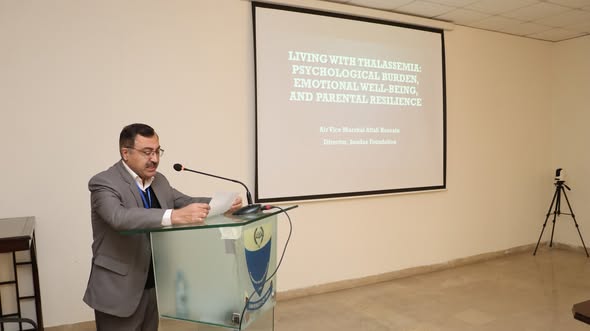
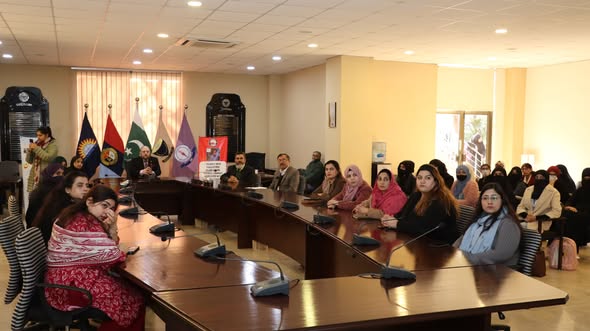
The seminar, titled “Living with Thalassemia: Psychological Burden, Emotional Well-being, and Parental Resilience,” was arranged to raise awareness about the psychological, emotional, and social impact of thalassemia on individuals and their families. The event was attended by Prof. Dr. Qazi Mahmood Ul Hassan, Director Admissions, along with a large number of students and faculty members.
The session was moderated by Dr. Noman Aftab and included active faculty participation from Dr. Samina Rashid, Mr. Maaz, Ms. Habiba, Ms. Haleema, Ms. Hajra, Ms. Aaysha, Ms. Aminah Dar, Ms. Dimple, and Ms. Rizwana.
The keynote speaker, Air Vice Marshal (R) Aftab Hussain, Director, Sundas Foundation, highlighted the prevalence of thalassemia in Pakistan and emphasized the urgent need for preventive awareness and early screening. He also discussed the psychological and emotional burden faced by patients and caregivers, underscoring the importance of resilience, emotional support, and mental health care. In addition, he shared the mission and services of the Sundas Foundation in supporting individuals and families affected by the disorder.
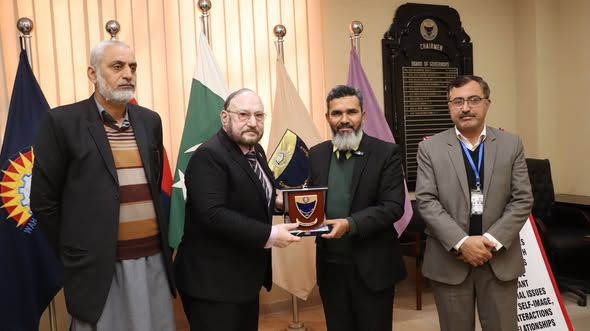
In his closing remarks, Prof. Dr. Muhammad Rizwan expressed appreciation to AVM (R) Aftab Hussain for his valuable and informative contribution. He also thanked Prof. Dr. Qazi Mahmood Ul Hassan, faculty members, and students for their active participation. He highlighted the important role of health psychologists in addressing the broader implications of chronic health conditions and assured the Department of Psychology’s full cooperation and support for initiatives that advance awareness, community service, and psychological well-being.
This seminar served as a meaningful step toward promoting public awareness, strengthening emotional support systems, and encouraging collaborative efforts for better health and well-being within the community.